


When Should I Rotate My Tires?
Your tires are all that touch the road, yet you might skip one simple task that could add years to your car’s life span. Regular tire rotation boosts safety and improves handling. Our team at Capistrano Volkswagen looks at when to rotate, signs of trouble, and what you need to know to keep your tires in top shape.
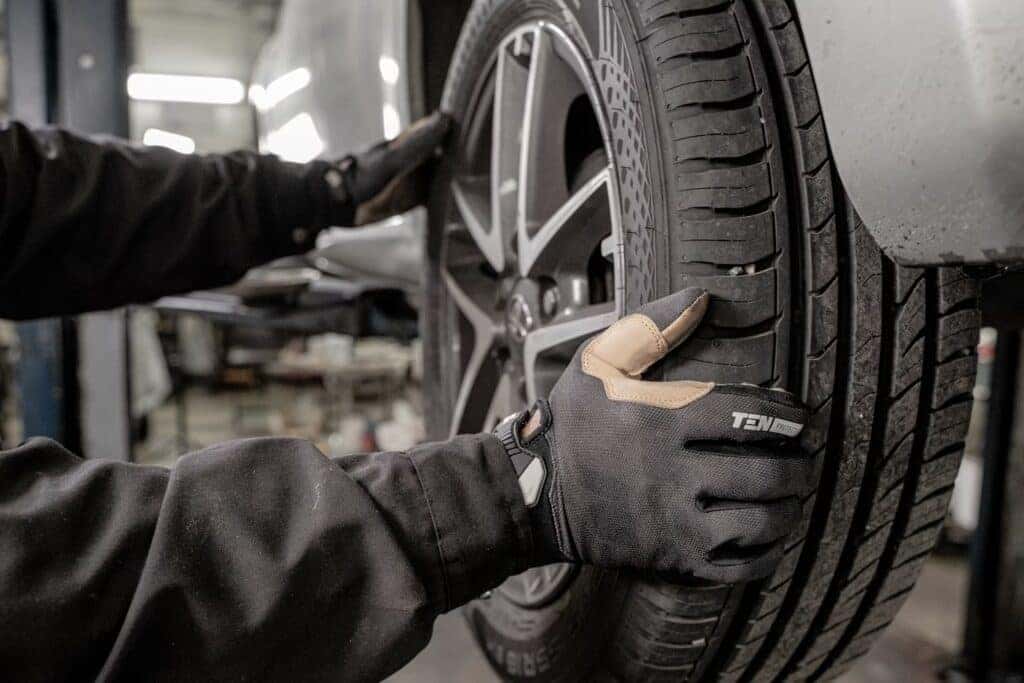
Understanding Tire Rotation
Tire rotation involves moving your tires to different spots on your car to ensure even wear. Your car’s front tires do all the turning work and take most of the braking force. The setup (whether it’s pulling from the front, pushing from the back, or using all of the wheels) affects which tires work hardest. Most cars have their engines in the front, which means the front tires carry extra weight. More weight equals faster wear, and this wear occurs based on pressure, not speed.
Uneven tire wear hurts your whole car — grip drops off, your engine works harder, and your fuel economy decreases. Rotating your tires regularly can stretch their life by up to 20%, making this one of the cheapest ways to save on car expenses. The condition of your vehicle’s tires directly affects safety — wet roads at 60 mph mean new tires (with 10/32″ of tread) stop in 234 feet, but worn ones need 356 feet, more than 50% more distance to stop safely.
How Often Should You Rotate Your Tires?
Most tire brands and car experts recommend replacing tires every 5,000-7,500 miles. This works well for standard cars with front-wheel drive (FWD) or rear-wheel drive (RWD), but if you have all-wheel drive (AWD), you’ll need to rotate your tires more frequently — every 3,000-5,000 miles. AWD systems push power to all four wheels, creating wear that needs more frequent attention.
Sports cars with fancy tires need extra care. Their high-grip performance tires might need shifting every 5,000 to 7,500 miles. If you don’t do much driving, rotate your tires every six months anyway — sitting still causes flat spots. To help you remember, pair your tire rotation with oil changes. This creates a simple schedule that keeps both tasks on track without extra garage visits.
Warning Signs That Your Tires Need Immediate Rotation
If your front tires appear smoother than the rear ones, you’re due for a tire rotation. If your car pulls sideways when you’re trying to go straight, it may be due to uneven wear or pressure. Another sign that it’s time to rotate your tires is odd shaking or vibrations, especially while you’re on the highway.
If you’re not getting the gas mileage you expect, worn tires create drag that makes your engine work overtime. To check a tire’s tread depth, do a penny test. Insert a penny into your tire grooves with Lincoln’s head facing down. If you see all of his head, your tires are below the legal 2/32″ minimum depth, and they need to be replaced.
Proper Tire Rotation Patterns for Different Vehicle Types
Tire shops use five main tire rotation patterns. Each one works best for specific types of vehicles:
- Forward cross: This pattern works best for FWD cars — move the back right tire to the front left position and the back left to front right, while the front tires go straight back.
- Rearward cross: For RWD and AWD vehicles, flip the forward cross into the rearward cross — the front right goes to the back left, and the front left to the back right, with the rear tires staying on the same side moving forward.
- X pattern: The X pattern serves as a good all-around option by crossing all tires diagonally.
- Front-to-rear: If you have special tires, they need special handling. Directional tires (with arrows on the sidewall) can only move front to back on the same side.
- Side-to-side: On sports cars with bigger rear tires than front tires, you can only swap side-to-side.
Mark your tire spots before starting, and keep notes about rotation dates. Shops follow these standard patterns based on your car type.
Professional vs. DIY Tire Rotation
Professional tire rotation costs between $20 and $80, with basic service running about $60-$72. Add balancing, and the cost rises to $112-$132. Dealerships may charge a bit more ($40-$80 for just rotation, $60-$100 with balancing), while quick-lube places cost less ($20-$40 basic, $40-$60 with balancing). Many shops include free oil changes with their service.
If you’re thinking about DIY tire rotation, you’ll need $50-$200 upfront for tools — a jack, jack stands, a lug wrench, and a torque wrench. Plan on 1-2 hours if you’ve rotated tires before, and longer if you’re new to it. While DIY can save money, professional service brings peace of mind. Our expert technicians can spot problems you’d miss, properly tighten lug nuts, and handle tricky patterns without risking your safety or warranty. For most people, professional service makes more sense.
The Consequences of Skipping Tire Rotation
Skipping rotations is risky and costly. Emergency tire problems are much more expensive than regular upkeep, often costing $350-$700. Cars that don’t receive regular tire rotations need new tires every 2.5 years, while regular swapping stretches that interval to 3.33 years and cuts maintenance costs in the first year by preventing early wear.
Worn tires lose grip and control, take longer to stop, and slide more easily on wet roads. Tires worn down to 2/32″ start skating on wet roads at just 40 mph, while new tires grip until 43-44 mph. Your ability to corner safely in the rain drops by 10%-18% with worn tires. Plus, many car dealers want to see maintenance records for warranty claims.
Special Considerations for Modern Vehicles
Electric vehicles (EVs) have different tire considerations. They weigh more thanks to large battery packs, and they deliver instant power. EV tires come built stronger to handle extra weight, but that instant torque creates unusual wear patterns. The battery weight affects how pressure is distributed across your tires, making regular rotation even more crucial. Regenerative braking also affects how the front tires wear down.
If you have a car with tire pressure sensors, these systems need to learn which sensor sits where after a rotation. Most systems reset through a button, your car’s menu, or by driving 10-15 minutes above 30 mph. Professional technicians know how to avoid damaging the expensive sensors and can make sure everything works properly after moving the tires around.
Setting up a good tire rotation plan starts with tracking. Try apps, such as Simply Auto, or a simple spreadsheet. Some tools even track tire pressure and send alerts when it’s time for service.
Rotate Your Tires for Maximum Performance at Capistrano Volkswagen
Building a relationship with a good shop pays off. The techs know your car’s history and can catch problems before they become costly repairs. For help making your own tire plan or getting professional rotation service, contact our dealership. Our team understands the ins and outs of modern Volkswagens and can keep your tires in great shape for years.
0 comment(s) so far on When Should I Rotate My Tires?